

Alcohol and insomnia: Possible risks and more
If that mimosa with brunch hits you particularly hard, it may be the result of circadian timing. Worst of all, alcohol blocks REM sleep, considered the most impactful phase of the sleep cycle. REM sleep is known to be the optimal restorative portion of sleep. So drinkers often feel groggy and unrested even after a long night of ‘drunken’ slumber. After years of drinking alcohol on a regular basis, not drinking it is a new skill. Therefore, it’s nothing but normal for us to go through the same ups and downs as learning any other skills and experiencing a wide range of emotions in the process.
Understanding Why You Can't Sleep After Quitting Alcohol
In fact, having a drink before bed might actually have a negative impact on the quantity and quality of your sleep. If you can’t sleep without alcohol, I’m here to help you make impactful and positive changes in your life. We publish material that is researched, cited, edited and reviewed by licensed medical professionals. The information we provide is not intended to be a substitute for professional medical advice, diagnosis or treatment. It should not be used in place of the advice of your physician or other qualified healthcare providers.
Drinking Water Before Bed
One study shows that this is the reason about 10% of people drink alcohol. Because alcohol can have a depressive effect on the brain, drinking may help some people fall asleep faster. Drinking to fall asleep can cause or worsen some health issues over time. These include https://ecosoberhouse.com/ breathing issues like sleep apnea, which is linked to drinking. A 2017 study found that fluctuations in sleep quality were linked to changes in drug cravings. On days when participants reported lower sleep quality, they also experienced greater substance cravings.
Understanding Sleep Hygiene
Fortunately, research suggests that long-term recovery can help reverse sleep problems induced by substance use. While withdrawal insomnia is common, there are ways that you can deal with it and try to get a better night's sleep. Even if you don’t quit drinking long-term, you will still see benefits.
Police Killings of Unarmed Black People Impact Sleep Health of Black Community
- However, it's vital to comprehend how alcohol affects sleep patterns to grasp the knock-on effects of alcohol withdrawal.
- Heavy drinking can make the sleep- and circadian rhythm-disrupting effects of alcohol worse.
- Drink a significant amount of water before bed to try and counteract the night sweats.
People with insomnia have an increased risk of developing alcohol use disorder, potentially because many individuals turn to alcohol as a sleep aid. How much alcohol you drink and when you drink it can both influence sleep. Alcohol and sleep loss from previous nights of alcohol insomnia can trigger or worsen anxiety, and anxiety can make it much harder to drift off. RISE users even say stress and anxiety are their biggest challenges when it comes to getting a good night’s sleep.
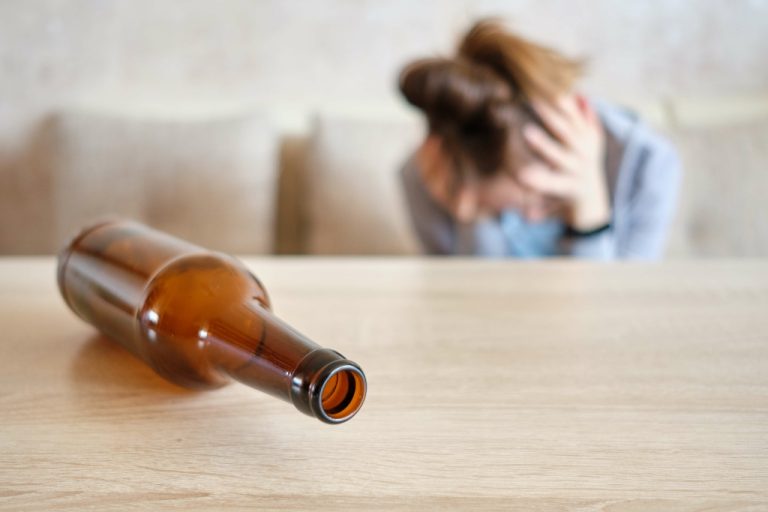
Your first step is to reach out to a healthcare provider to get help giving up alcohol. Research shows giving up or cutting down on alcohol can improve alcohol insomnia symptoms. A glass of wine with dinner seems harmless enough until you’re tossing and turning in bed later that night unable to sleep.
Even though a glass or two may help you initially drift off faster, it probably won’t benefit your sleep quality in the long run. Dr. Singh is the Medical Director of the Indiana Sleep Center. His research and clinical practice focuses on the entire myriad of sleep disorders. Research from 2024 shows this change to sleep architecture persists across consecutive nights of pre-sleep alcohol. Instead, go for a light healthy snack like a piece of fruit or Greek yogurt. This will give your body some fuel to break down the alcohol in your system.
Taking the Stress Out of Dry January
Some 36% are seeking better sleep – and they may have a good chance of success. One-third of respondents who stop drinking, even for a few weeks, notice their sleep is somewhat better, if not much better (22%). Of those, 50% say they sleep more soundly, 48% feel more refreshed when waking, and 42% feel less tired during the day. The information we provide while responding to comments is not intended to provide and does not constitute medical, legal, or other professional advice. The responses to comments on fitrecovery.com are designed to support, not replace, medical or psychiatric treatment. Please seek professional care if you believe you may have a condition.
And RISE can give you an exact time each day based on your circadian rhythm. Working on your sleep hygiene is another way to help prevent or reduce insomnia. These are changes you can't sleep without alcohol can make to your environment and routine to help promote sleep. There are many medications used to treat insomnia, including benzodiazepine and nonbenzodiazepine medications.
